Hydrangea Rose: The Ultimate Guide To Growing And Caring For This Beautiful Flower
Hydrangea Rose: The Ultimate Guide to Growing and Caring for This Beautiful Flower
Hydrangea rose is a beautiful and versatile flower that can be grown in a variety of climates. It is known for its large, showy blooms that can be pink, blue, or white. Hydrangea rose is also relatively easy to care for, making it a popular choice for home gardeners.
In this blog post, we will provide an ultimate guide to growing and caring for hydrangea rose. We will cover topics such as choosing the right location, planting, watering, fertilizing, pruning, and overwintering. We will also discuss some common problems that can affect hydrangea rose and how to solve them.
Choosing the Right Location
Hydrangea rose prefers partial shade, but it can also tolerate full sun in cooler climates. The ideal location for hydrangea rose is a spot that receives morning sun and afternoon shade. The soil should be well-drained and rich in organic matter.
Planting
The best time to plant hydrangea rose is in the spring or fall. When planting, dig a hole that is twice as wide and as deep as the root ball. Amend the soil with compost or other organic matter. Place the hydrangea rose in the hole and backfill with soil. Water thoroughly.
Watering
Hydrangea rose needs regular watering, especially during the first year after planting. Water deeply once a week, or more often if the weather is hot and dry. Mulch around the base of the plant to help retain moisture.
Fertilizing
Hydrangea rose should be fertilized once a year in the spring. Use a balanced fertilizer, such as 10-10-10. Apply the fertilizer according to the package directions.
Pruning
Hydrangea rose does not require a lot of pruning. However, you may want to prune it in the spring to remove any dead or damaged branches. You can also prune it to shape the plant.
Overwintering
In cold climates, hydrangea rose may need to be protected from the winter cold. Mulch around the base of the plant with a thick layer of leaves or straw. You may also need to cover the plant with a burlap sack or other protective covering.
Common Problems
Hydrangea rose is relatively pest- and disease-free. However, it can be susceptible to a few problems, such as:
- Leaf spot: This is a fungal disease that can cause brown spots on the leaves. To treat leaf spot, apply a fungicide according to the package directions.
- Powdery mildew: This is another fungal disease that can cause a white, powdery coating on the leaves. To treat powdery mildew, apply a fungicide according to the package directions.
- Aphids: These small insects can suck the sap out of the leaves, causing them to wilt and curl. To control aphids, spray the plant with insecticidal soap or neem oil.
Troubleshooting
If your hydrangea rose is not blooming, there are a few possible reasons:
- The plant is not getting enough sun.
- The plant is not getting enough water.
- The plant is not getting enough fertilizer.
- The plant is not getting enough acidic soil.
To troubleshoot the problem, check the sunlight, water, fertilizer, and soil conditions. If you are still having trouble, you may want to consult with a gardening expert.
Conclusion
Hydrangea rose is a beautiful and easy-to-care-for flower that can add a touch of elegance to any garden. With proper care, hydrangea rose will thrive for many years to come.
Hydrangea rose is a beautiful hybrid plant that combines the best of both hydrangeas and roses. It has the large, showy blooms of a hydrangea, but the delicate petals of a rose. The flowers can be a variety of colors, including pink, blue, white, and purple. Hydrangea rose is a relatively easy plant to care for, and it can be grown in either sun or shade.
If you are interested in learning more about hydrangea rose, I recommend visiting . This website has a wealth of information about the plant, including its history, care, and cultivation. You can also find photos of hydrangea rose in bloom, as well as tips on how to grow it in your own garden.
FAQ of hydrangea rose
Question 1: What is a hydrangea rose?
Answer: A hydrangea rose is a hybrid plant that is a cross between a hydrangea and a rose. It is a deciduous shrub that can grow up to 6 feet tall. The flowers are large and showy, and they can be pink, blue, or white. Hydrangea roses are relatively easy to care for, and they are a popular choice for gardens and landscaping.
Question 2: What are the different colors of hydrangea roses?
Answer: The color of hydrangea roses depends on the acidity of the soil. In acidic soil, the flowers will be blue. In alkaline soil, the flowers will be pink. You can change the color of your hydrangea roses by adjusting the acidity of the soil.
Question 3: How do I care for a hydrangea rose?
Answer: Hydrangea roses need full sun to partial shade and well-drained soil. They should be watered regularly, but they should not be overwatered. Hydrangea roses are susceptible to pests and diseases, so it is important to inspect them regularly and take steps to control pests and diseases if necessary.
Question 4: Where can I buy a hydrangea rose?
Answer: Hydrangea roses are available at many garden centers and online retailers. When choosing a hydrangea rose, it is important to select a plant that is healthy and free of pests and diseases.
Question 5: What are some tips for planting and growing hydrangea roses?
Answer: Here are some tips for planting and growing hydrangea roses:
- Choose a sunny or partially shaded location with well-drained soil.
- Plant the hydrangea rose so that the crown of the root ball is just above the soil surface.
- Water the hydrangea rose regularly, especially during the first year after planting.
- Fertilize the hydrangea rose in the spring and fall with a balanced fertilizer.
- Prune the hydrangea rose in the spring to remove dead, diseased, or damaged branches.
Image of hydrangea rose
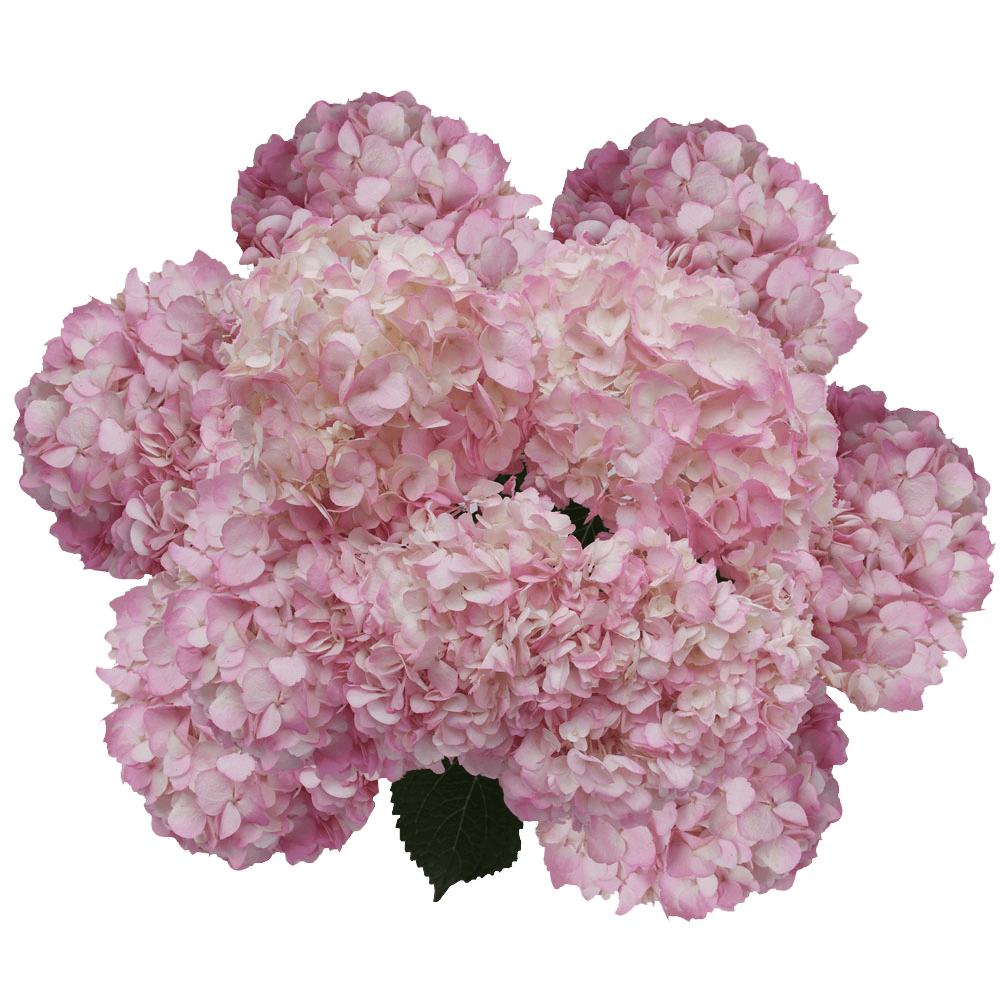
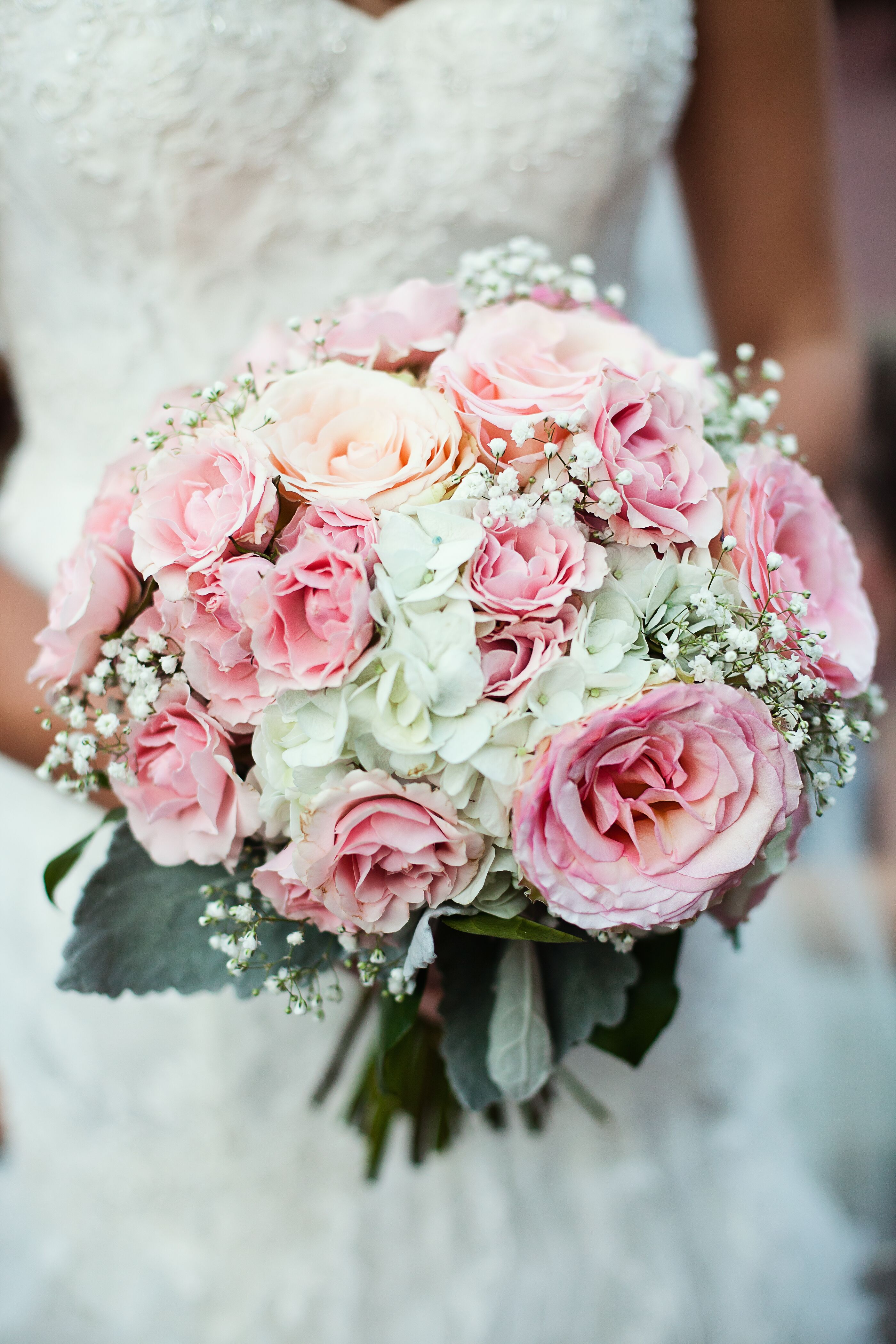
- A bouquet of pink hydrangeas and white roses. The hydrangeas are in full bloom, with their large, round heads of flowers. The roses are a light pink color, and they complement the hydrangeas perfectly.
- A single pink hydrangea flower with a white rose in the center. The hydrangea flower is in full bloom, and its petals are a soft pink color. The white rose in the center is a beautiful contrast to the pink petals.
- A cluster of hydrangea flowers in shades of pink and blue. The hydrangea flowers are in different shades of pink and blue, and they create a beautiful rainbow effect.
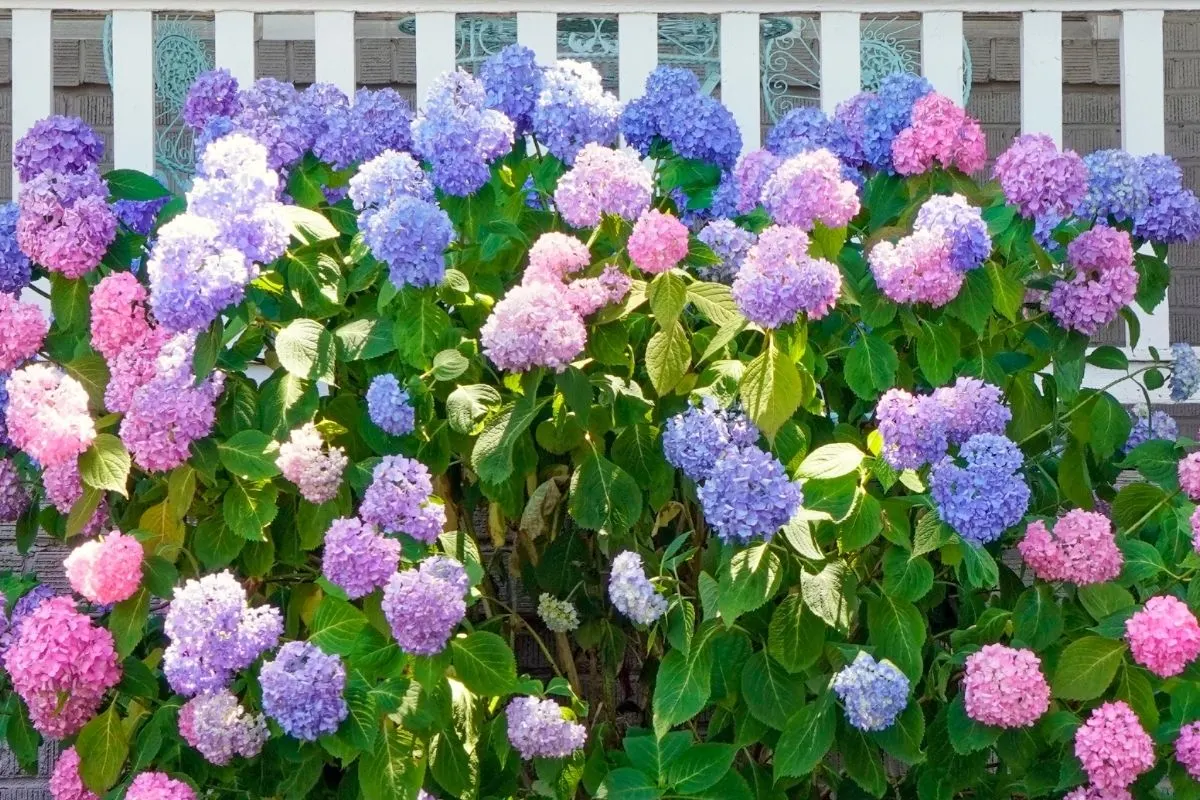
- A hydrangea bush with white roses blooming on it. The hydrangea bush is in full bloom, and its white roses are a beautiful contrast to the green leaves.

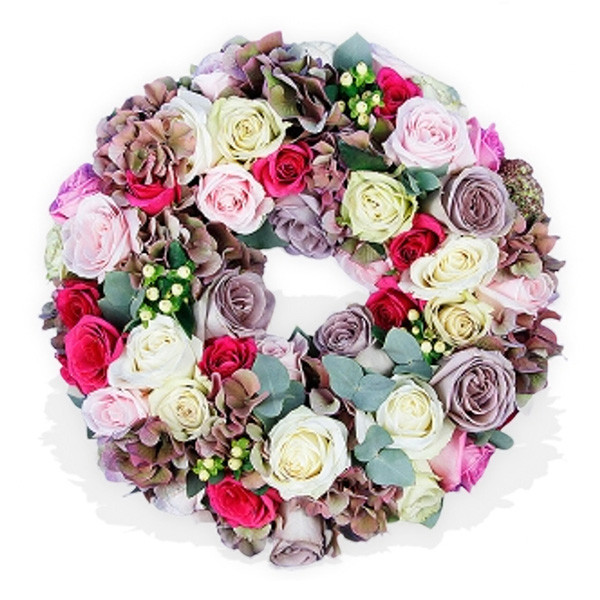
- A wreath made of hydrangea flowers and roses. The wreath is made of hydrangea flowers in shades of pink and blue, and it is decorated with white roses.
Post a Comment for "Hydrangea Rose: The Ultimate Guide To Growing And Caring For This Beautiful Flower"